Plumbing emergencies are not just inconvenient; they can also cause significant damage to your home if not addressed promptly. Being prepared to handle these situations can save you time, money, and stress. In this article, we will explore five common plumbing emergencies that typically require professional intervention. Whether it’s a burst pipe in the middle of the night or a sudden sewer backup, knowing when to call a professional can make all the difference. We will guide you through each scenario, helping you understand the urgency and the steps you should take until help arrives.
Common Plumbing Emergencies You Should Know
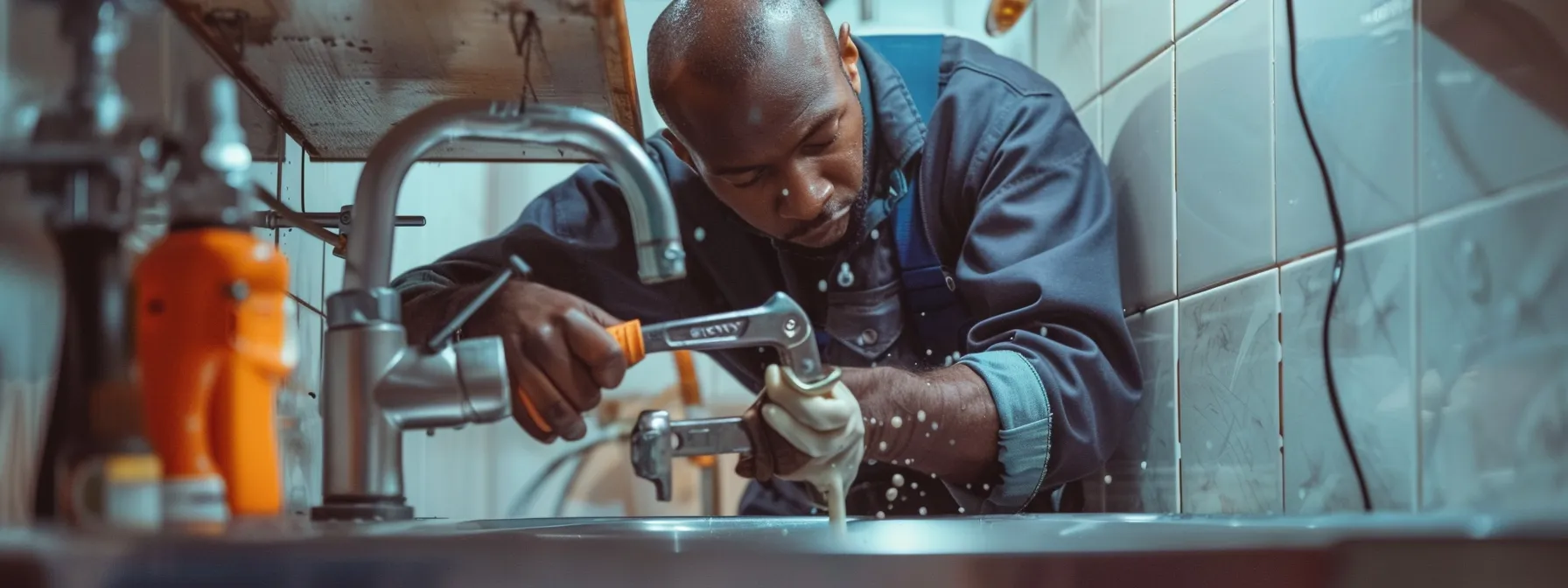
Plumbing emergencies can strike at any time, often without warning. One of the most frequent issues homeowners face is a sudden pipe burst. This can be caused by freezing temperatures, corrosion, or excessive water pressure. Knowing how to quickly shut off your water supply is crucial in minimizing damage. In addition, sewer line backups can lead to nasty odors and unsanitary conditions, requiring immediate attention from a Plumber Near Me. According to a study by the Environmental Protection Agency, leaks in the average household can account for more than 10,000 gallons of wasted water every year, underscoring the importance of timely repairs (Source: EPA, 2022).
When You Need a Plumber for Burst Pipes
Burst pipes are perhaps one of the most alarming plumbing emergencies. The sudden release of water can lead to extensive flooding and damage to your home’s structure and belongings. During winter, pipes are particularly susceptible to freezing, which can cause them to burst. Insulating your pipes is a preventative measure, but if a pipe does burst, the first step is to turn off the main water valve. It’s advisable to contact a professional plumber immediately to handle the repairs and prevent further damage. Such emergencies can also affect the home’s energy efficiency, as a burst pipe can disrupt the function of systems like a Smart Thermostat Integration, which relies on stable water flow for optimal performance.
Handling Clogged Drains and Sewer Backups
Clogged drains are a common issue that can escalate into a full-blown plumbing emergency if not addressed. A simple blockage can lead to a sewer backup, which poses health risks and can damage flooring and walls. Homeowners should be cautious with what they flush or pour down the drains, avoiding items like grease, hair, and non-degradable products. In cases where a plunger or drain snake doesn’t resolve the issue, professional intervention is necessary. Plumbers utilize specialized equipment to clear severe blockages and ensure the system is functioning properly. Regular maintenance and monitoring can help prevent such issues, much like an Indoor Air Quality Monitor helps maintain healthy air conditions.
Dealing with Water Heater Failures
A malfunctioning water heater can disrupt daily routines, leaving you without hot water for showers, laundry, and dishwashing. Common signs of water heater failure include inconsistent water temperature, strange noises, and leaks around the unit. These issues often require the expertise of a professional plumber, who can diagnose whether a repair or replacement is necessary. Choosing a water heater with an Energy Star Certification can enhance efficiency and reduce utility bills, aligning with sustainable home practices. Moreover, ensuring that your water heater is functioning correctly is essential for maintaining a comfortable home environment, much like how a Feng Shui Practitioner ensures harmony and balance within living spaces.
Conclusion

Understanding the various plumbing emergencies and their potential impact on your home is crucial for every homeowner. From burst pipes to clogged drains, each scenario requires timely and professional intervention to prevent extensive damage. By recognizing these emergencies and knowing when to contact a professional, you can protect your home and family from unnecessary stress and expense. Prioritizing routine maintenance and monitoring systems like smart thermostats and air quality monitors can also contribute to a more efficient and safe home environment.