How often do you actually pay attention to what’s going on inside your mouth? Most of us brush our teeth, maybe floss, and move on with our day without thinking much about it. However, your mouth can tell you quite a lot about your health, and knowing what looks and feels normal can help you spot potential problems before they become more serious.
The good news is that you don’t need to be a dental expert to become more familiar with your oral health. It’s simply about knowing what to look for and recognizing when something isn’t quite right.
What Should Healthy Gums Look Like?
Your gums are a great place to start when checking your oral health. Healthy gums generally feel firm, fit snugly around your teeth, and don’t bleed when you brush or floss. Their color can range from pink to brown or darker shades, depending on your natural pigmentation.
If you notice that your gums are swollen, tender, or bleeding regularly, it could indicate inflammation or gum disease. Occasional irritation can happen, but persistent bleeding isn’t something you should simply accept as normal.
Knowing What’s Normal for Your Tongue
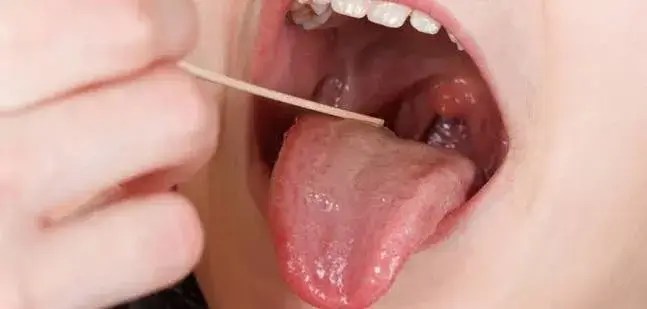
You might not inspect your tongue regularly, but it’s worth a look every now and then. A healthy tongue is typically pink, although its appearance varies, and it has tiny bumps called papillae that help with taste and texture.
A thin white coating can sometimes develop, particularly in the morning. However, thick patches, persistent discoloration, unexplained soreness, or unusual lumps deserve attention. If changes don’t disappear within two weeks, have a dental professional check them.
Paying Attention to Your Teeth
It’s easy to assume your teeth are healthy if you’re not experiencing pain, but that’s not always the case. Teeth naturally vary in shade, and some people experience sensitivity to very hot or cold foods. However, ongoing discomfort, sharp pain when biting, or sudden sensitivity could point to an underlying issue.
Regular dental appointments help identify problems that aren’t immediately obvious. Visiting Direct Dental, dentists in Clapham, gives you a chance to discuss any changes you’ve noticed and have your teeth and gums professionally assessed.
Don’t Ignore Changes to Your Breath
Nobody has perfectly fresh breath every minute of the day, especially first thing in the morning or after eating certain foods. Temporary bad breath is usually nothing to worry about and often improves after brushing, flossing, or drinking water.
However, bad breath that sticks around despite good oral hygiene may suggest gum disease, dry mouth, or another issue worth investigating. If someone repeatedly mentions your breath, don’t feel embarrassed. Treat it as a reason to check what’s happening.
Get Familiar With the Inside of Your Mouth
Your cheeks, lips, and the roof of your mouth should generally feel comfortable, without persistent sores or unexplained changes. Occasionally check for unusual patches, lumps, or ulcers that don’t heal.
If you notice a sore lasting more than two weeks, unexplained bleeding, or a persistent lump, arrange a professional assessment. You should also seek advice about any difficulty swallowing or ongoing discomfort.
Make Oral Health Checks Part of Your Routine
Understanding what’s normal for your mouth doesn’t mean obsessively checking every tiny detail. It simply means getting familiar with how things usually look and feel so you can spot changes more easily.
Alongside brushing twice daily, cleaning between your teeth, and attending regular dental appointments, a quick look inside your mouth can help you stay proactive. The more familiar you are with your oral health, the easier it becomes to recognize when something needs professional attention.